A Princess's Tale: Growing Fresh Eggs on Our Farm

Farming is often romanticized in stories, but the reality of raising chickens and collecting fresh eggs is a delightful journey filled with challenges and rewards. As a self-proclaimed "princess" of our little farm, I have learned that growing fresh eggs is not just about the end product; it’s about the experience, the connection to nature, and the joy of nurturing life. In this post, I will share my journey of raising chickens, the benefits of fresh eggs, and practical tips for anyone interested in starting their own backyard flock.
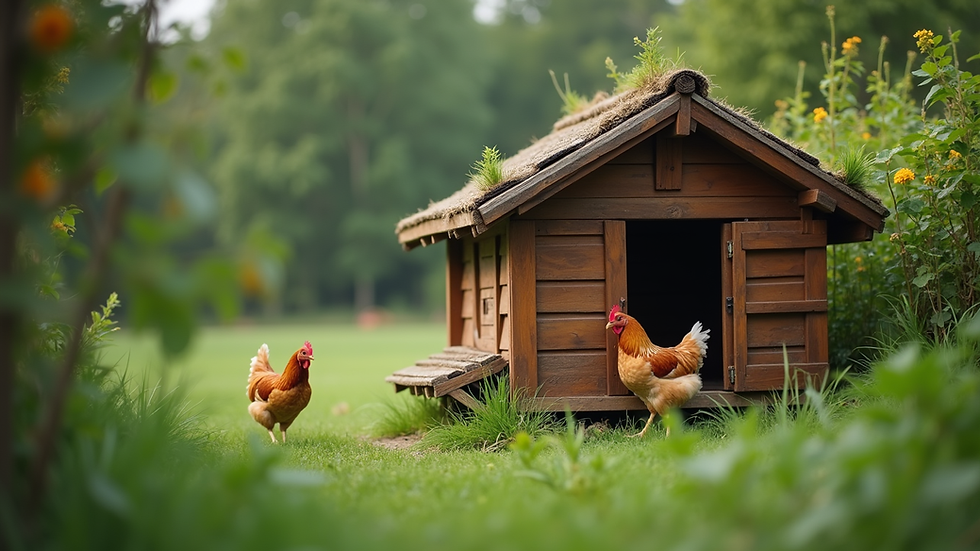
The Joy of Raising Chickens
Raising chickens can be a fulfilling endeavor. Not only do they provide fresh eggs, but they also contribute to the ecosystem of your farm. Chickens are natural foragers, helping to control pests and fertilize the soil with their droppings. Here are some reasons why raising chickens can be a rewarding experience:
Fresh Eggs: There’s nothing quite like the taste of a freshly laid egg. The flavor is richer, and the yolks are often a vibrant orange, thanks to the chickens' diet.
Sustainability: By raising your own chickens, you reduce your reliance on store-bought eggs, which often come from factory farms with questionable practices.
Educational Experience: For families, raising chickens can be a great way to teach children about responsibility, biology, and where their food comes from.
Companionship: Chickens can be surprisingly affectionate and entertaining. They each have unique personalities, and spending time with them can be a source of joy.
Choosing the Right Breed
When starting your chicken journey, selecting the right breed is crucial. Different breeds have varying temperaments, egg production rates, and care requirements. Here are a few popular breeds to consider:
Rhode Island Red: Known for their hardiness and excellent egg production, these birds are friendly and adapt well to various environments.
Leghorn: These active birds are prolific layers, producing a high number of white eggs. They are less friendly but very efficient.
Silkie: With their fluffy feathers and gentle nature, Silkies are great for families and can also be used for brooding.
Plymouth Rock: These birds are friendly and good layers, making them a great choice for beginners.
Setting Up Your Chicken Coop
Creating a comfortable and safe environment for your chickens is essential. Here are some key considerations for setting up your chicken coop:
Space: Each chicken needs about 4 square feet of space inside the coop and 10 square feet in an outdoor run. Overcrowding can lead to stress and health issues.
Ventilation: Proper airflow is crucial to prevent respiratory issues. Ensure your coop has windows or vents that can be opened.
Nesting Boxes: Provide one nesting box for every 3-4 hens. Line the boxes with straw or wood shavings for comfort.
Roosting Bars: Chickens prefer to sleep off the ground. Install roosting bars at least 2 feet above the ground for them to perch on at night.
Feeding Your Chickens
A balanced diet is vital for healthy chickens and quality egg production. Here’s what you need to know about feeding your flock:
Layer Feed: Once your hens start laying eggs, provide them with a high-quality layer feed that contains the necessary nutrients, including calcium for strong eggshells.
Fresh Water: Always ensure your chickens have access to clean, fresh water. Change it daily to prevent contamination.
Treats: Chickens enjoy treats like kitchen scraps, fruits, and vegetables. Just be cautious not to overfeed them, as this can lead to obesity.
The Egg-Laying Process
Understanding how and when your chickens lay eggs can enhance your experience. Here’s a brief overview of the egg-laying process:
Age: Most hens start laying eggs between 5 to 6 months of age. The first eggs may be smaller than usual.
Light: Chickens require about 14-16 hours of light per day to maintain consistent egg production. In winter, you may need to supplement their light.
Health: Healthy chickens lay eggs regularly. Keep an eye on their behavior and appearance to catch any health issues early.
Collecting and Storing Eggs
Once your hens start laying, collecting and storing eggs properly is essential for freshness and safety. Here are some tips:
Daily Collection: Collect eggs daily to prevent them from becoming dirty or damaged. This also helps you monitor your hens' laying patterns.
Cleaning: If eggs are dirty, gently wipe them with a dry cloth. Avoid washing them with water, as this can remove the protective bloom.
Storage: Store eggs in the refrigerator to keep them fresh. They can last for several weeks if stored properly.
The Benefits of Fresh Eggs
Fresh eggs offer numerous advantages over store-bought options. Here are some benefits to consider:
Nutritional Value: Fresh eggs are often richer in nutrients, including omega-3 fatty acids and vitamins A and D.
Flavor: The taste of fresh eggs is superior to that of mass-produced eggs, making them a favorite in many recipes.
Peace of Mind: Knowing where your eggs come from and how your chickens are raised can provide peace of mind regarding food safety.
Challenges of Raising Chickens
While raising chickens can be rewarding, it’s not without its challenges. Here are some common issues you may encounter:
Predators: Chickens are vulnerable to predators like raccoons, foxes, and hawks. Ensure your coop is secure and consider using fencing.
Health Issues: Chickens can suffer from various health problems, including parasites and respiratory diseases. Regular health checks and vaccinations can help prevent these issues.
Egg Production Fluctuations: Factors like stress, changes in diet, and seasonal changes can affect egg production. Be patient and monitor your flock's health.
Conclusion
Raising chickens and growing fresh eggs on your farm is a journey filled with joy, learning, and connection to nature. From selecting the right breed to creating a safe coop and understanding the egg-laying process, each step is an opportunity to engage with your environment and enjoy the fruits of your labor.
As you embark on this adventure, remember that patience and care are key. Whether you are a seasoned farmer or a curious beginner, the experience of nurturing chickens and collecting fresh eggs can be a delightful addition to your life. So why not take the plunge? Start your own flock and experience the magic of fresh eggs firsthand!


Comments